
Falls Prevention & SuperCue
Every year around 1 in 3 New Zealanders aged 65 and over will experience a fall. While most won't suffer serious harm, 5% will sustain a fracture or require hospitalisation.
Every year 4,000 New Zealanders break a hip due to a fall.
Falls account for 74% of trauma admissions in older adults.
Of those admitted, 4% sadly do not survive their injuries.
In aged care facilities, 13% of residents will fall within any given 30-day period - and 55% suffer a physical injury as a result.
For those aged 75 and older, the risk of falls doubles.
Why this matters
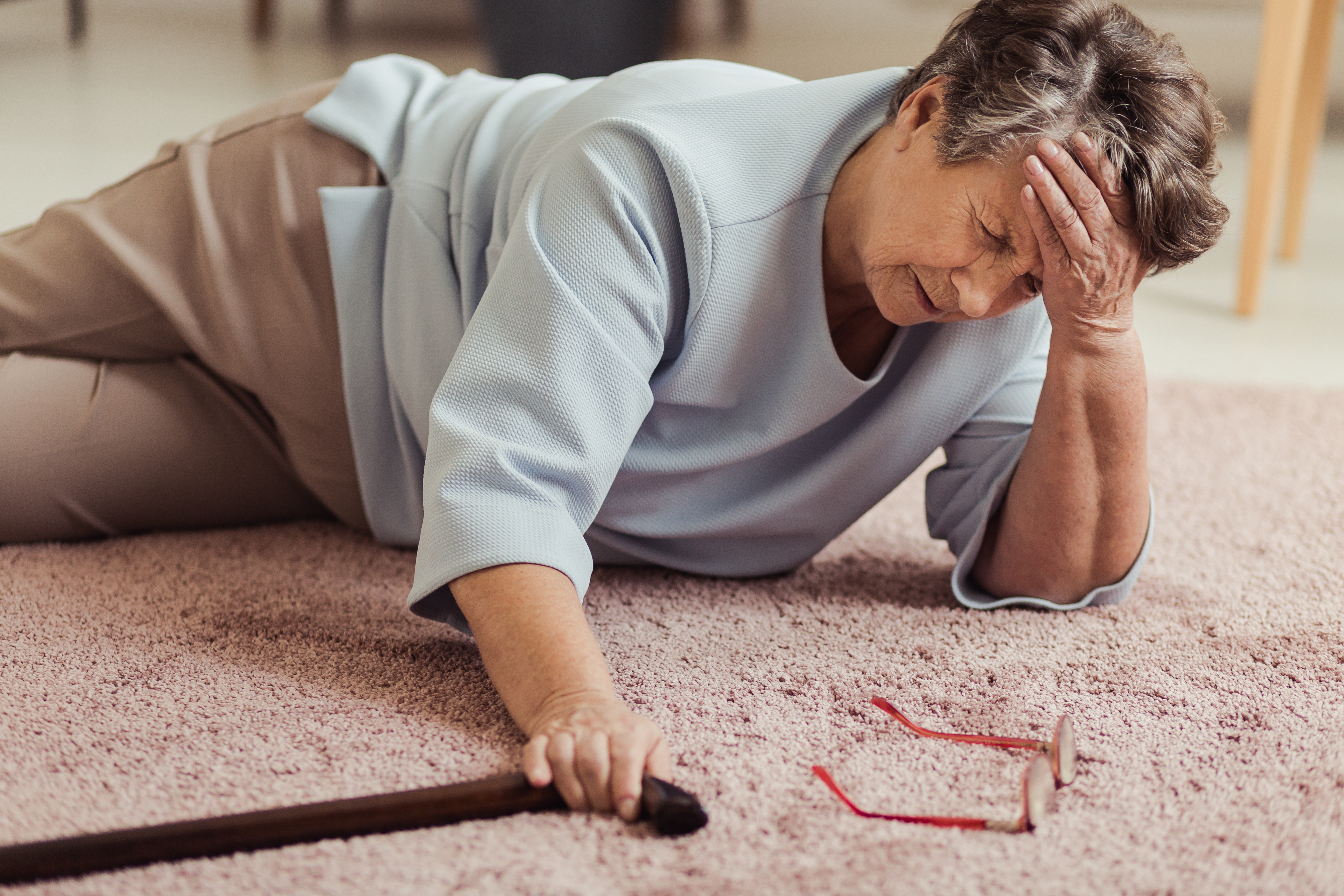
A fall, even without serious injury, can be life-changing for an older person. It can affect their confidence, wellbeing, and independence - while in severe cases, lead to permanent disability or death. Falls also place emotional and physical demands on whanau, carers, health services, and the wider community.
So as our population ages, falls prevention is more critical than ever.
The majority of falls happen in the community - at home or while out and about. Yet many older people underestimate their personal risk. Research shows that while most older adults recognise falling as a general concern, only a small number believe it will affect them personally.
The good news is that while falls-related injuries are common, a significant proportion are preventable.
Let's work together to reduce falls!
Preventing falls isn't just a health goal - it's a social and economic priority.
If everyone involved in the care and support of older adults takes simple, proactive steps, we can reduce harm, restore confidence, and protect independence.
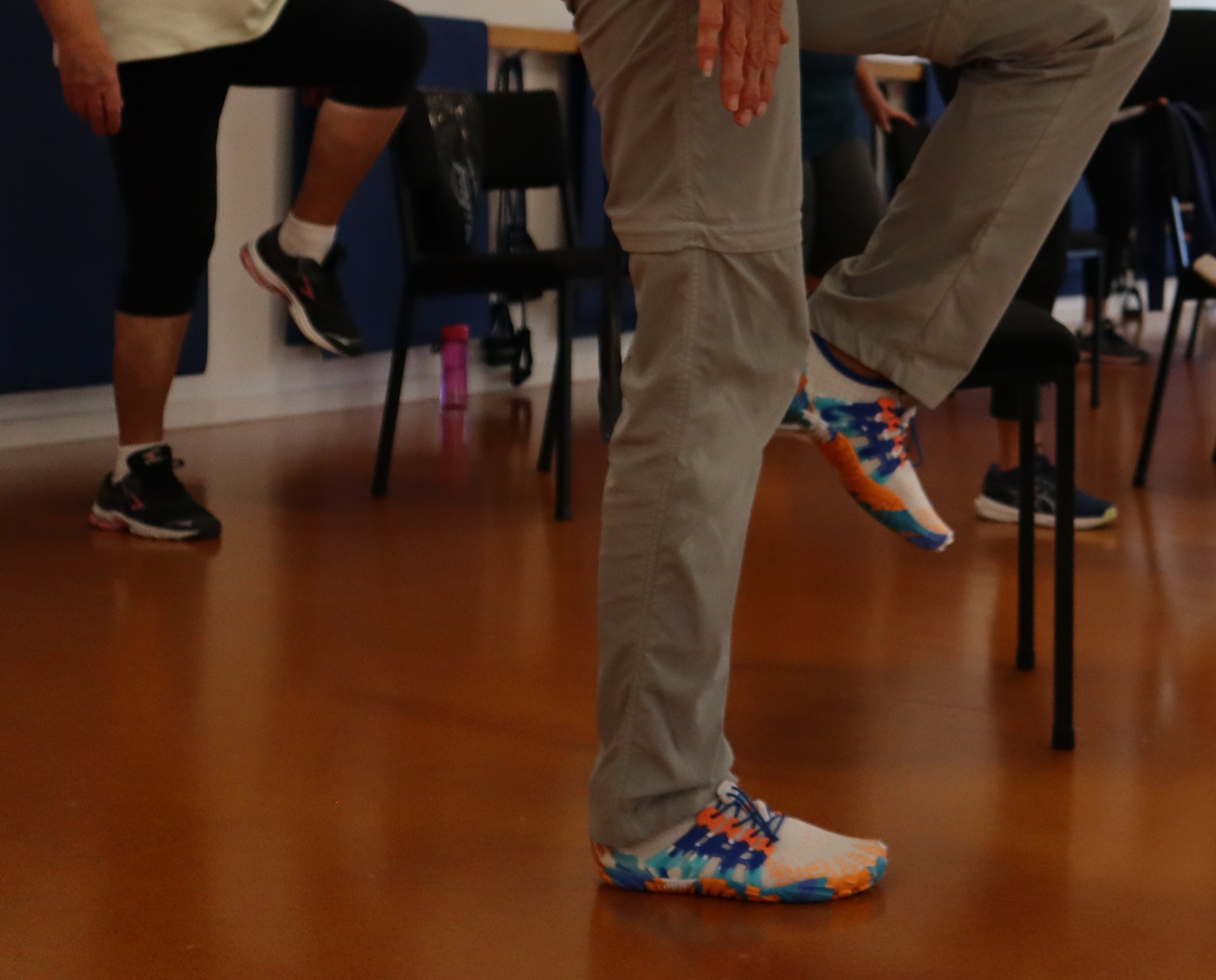
SuperCue's group exercise programme is one such step: a practical, proven way to strengthen balance, build resilience, and keep older people active and connected - wherever they live.
Frequently asked questions...
What evidence is there that exercise programmes help with falls prevention?
There are numerous studies showing the effectiveness of strength and balance exercise programmes for older people. Refer Massey University report prepared for ACC - December 2021. Preventing falls and falls-related injury in older adults:
KEY POINTS from the study:
- Exercise is the most cost effective intervention to prevent falls and recurrent falls in community-dwelling older adults.
- The most important elements of exercise interventions are balance and muscle-strength training.
- Exercise interventions need to provide a moderate or high challenge to balance, be of a sufficient dose to have an effect (a least 2 hours per week) and be ongoing.
- Although the efficacy of a range of exercise programmes is well documented, adherence to exercise regimes is often problematic…suggest providing supervised support and motivation.
- The (Otago Falls) programme has been shown to be effective in reducing both the number of falls and falls-related injuries by 35% (Sherrington et al., 2011). Multiple studies and systematic reviews and metaanalyses provide evidence for its effectiveness (Martins, 2018).
The SuperCue exercises meet best practice for group exercise, personal training and falls prevention. SuperCue utilises all the Otago Falls Prevention exercises and then adds to that the choreography to music for added cognitive challenge, fun and enjoyment. SuperCue also provides the highest level of instruction to ensure added safety and efficacy.
What qualifications are held by the developers of the SuperCue programmes?
The programmes have been developed by the co-founders of SuperCue who have years of experience working with special populations.
Marya Hopman is a Corrective Exercise Specialist with over 14 years of experience. This includes delivering exercise programmes to DHB pain clinic clients, Parkinson’s, Enliven and private clients recovering from surgery and illness or living with chronic pain. Marya’s main focus in SuperCue is exercise selection, postural and movement education and instruction.
Rebekah also has extensive expertise and experience delivering exercise programmes to older adults. Combined with her experience as a Zumba and Les Mills instructor, she is responsible for the music, choreography and programme flow.
Refer to About The Founders for more details on their experience and qualifications.
The SuperCue programmes have also attracted positive feedback from physiotherapists and other health professionals.
How does SuperCue ensure the safety of those following its video programmes?
SuperCue provides online Instructor and Assistant Training courses featuring tutorial videos, downloadable manuals and resources, and assessments.
Course includes:
- How to set up a room
- Health & Safety systems including safety check before class starts
- Administrative systems including pre-screen forms, participant self-assessment and progress questionnaires, detailed tutorials on how to breathe, sit, stand, squat, push, pull, twist and turn and more.
- The basics of anatomy and how the body moves.
- Video tutorials and handouts for class participants on posture, movement and exercise technique.
- Handouts available for Instructors, Assistants and class participants on various health conditions and the precautions to take during exercise.
Has the SuperCue programme been tested in this population?
SuperCue Co-Founder Rebekah Charlton has been delivering the SuperCue structure for over 15 years with no incidences of falls or injuries. In her work with Enliven Support (part of Presbyterian Support East Coast), her classes were attended by over 100 participants per week. Clients who attended varied in mobility levels. They included stroke and dementia clients and those in wheelchairs. Data on progress and improvement clearly proved the effectiveness of the programmes. When Enliven became lead agent for the ACC initiated Live Stronger for Longer Campaign, Rebekah was appointed project lead. She assessed the community classes throughout Hawkes Bay and Gisborne. After 11 years, Rebekah left Enliven and co-founded SuperCue as she saw a need in the community for higher quality instruction and class content. Refer to the About The Founders for more information on our expertise and qualifications.
In their current format the SuperCue programmes have been delivered in the community for the past 7 years. The classes have run for a number of years at Enliven day programme, Parkinson’s community classes, and in our Napier and Dannevirke fitness studios. These classes all had the Live Stronger quality tick.
We also have had trained SuperCue instructors running the programme in Havelock North and Hamilton. A number of rest homes and retirement villages are also delivering classes using the SuperCue video programmes.
The programme has also been adjusted for use for one-on-one sessions with stroke patients and others with disabilities or recovering from injuries. Across the board documented results and feedback has only been positive with regards to improvements in posture, movement and pain management as well as a high level of enjoyment.
Do SuperCue programmes have the LiveStronger quality tick?
SuperCue video programmes are listed as an approved option for “at-home” exercise on the Live Stronger for Longer website. Live Stronger for Longer is a national programme initiated by ACC, designed to help reduce the risk of falls and injury in older people.
SuperCue programme content aligns with the relevant Live Stronger Quality Tick Criteria for Approved Community Strength and Balance classes. There are however a number of criteria that are the responsibility of the instructor, assistant or organisation delivering the classes. For organisations to obtain the LiveStronger quality tick, they would need to implement processes to meet criteria 2,5,6 and 9 listed below. SuperCue’s Instructor and Assistant Training Courses provide the framework for this but would require management input and support.
LiveStronger for Longer Criteria for the quality tick:
1. The purpose of the programme must be to improve balance and leg strength to reduce the risk of falling.
2. Programme must include baseline and ongoing assessment of participant’s physical function, including ‘timed up and go’.
3. Programme must include exercises that provide individually assessed appropriate challenge to balance, and progressive strengthening of lower limbs.
4. Balance exercises should be a minimum of one-third of the total exercises, and should be done standing with progression to reduced base of support.
5. Programmes should include at least one hour-long group exercise session and, using resources provided, completion of home-based exercises every week for a duration of 10 weeks.
6. Programme should have a strategy to support ongoing regular physical activity or participation.
7. Instructors should be specially trained and have appropriate supervision (but need not be clinically trained).
8. Participants may be enrolled in the programme through a health professional or through self or community referrals.
9. Any inclusion or exclusion criteria must still ensure the programme is available to people at increased risk of falling.
What do health professionals have to say about SuperCue?
Susan Swart, Physiotherapist and Vestibular Rehabilitation Therapist at Steady Physio - a practice with special interest in treating vertigo, dizziness, poor balance and high fall- risks. www.steadyphysio.co.nz
"I would like to formally commend SuperCue for their valuable contribution to falls prevention among the ageing population in New Zealand. Their exercise programmes demonstrate a thoughtful understanding of the specific challenges faced by this community, including conditions such as Parkinson's disease, arthritis, cardiovascular disease and posture deterioration. The instructors are well-trained and skilled in tailoring exercise routines to accommodate varying levels of mobility and individual safety needs.
SuperCue's offerings are highly accessible, with a diverse range of options that cater to a broad spectrum of physical abilities. The content is thoughtfully designed to be both engaging and user-friendly, promoting participation and enjoyment.
I am pleased to endorse Marya and Rebekah as professional colleagues in our shared commitment to encouraging and supporting continued movement and wellbeing among older adults."


